
Samsung Galaxy S26 Ultra Review: A Smarter Camera and a Screen You Can Actually Hide
Samsung's third-generation Galaxy AI phone adds a 200MP main camera with a wider aperture, a 5x telephoto, and a new Privacy Display — in a body that's thinner than last year's.
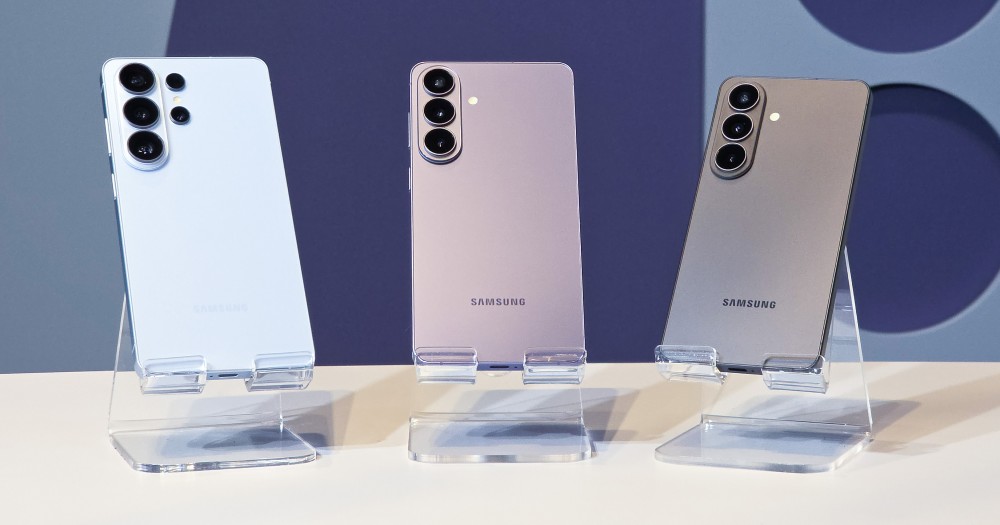 Photo: Samsung Newsroom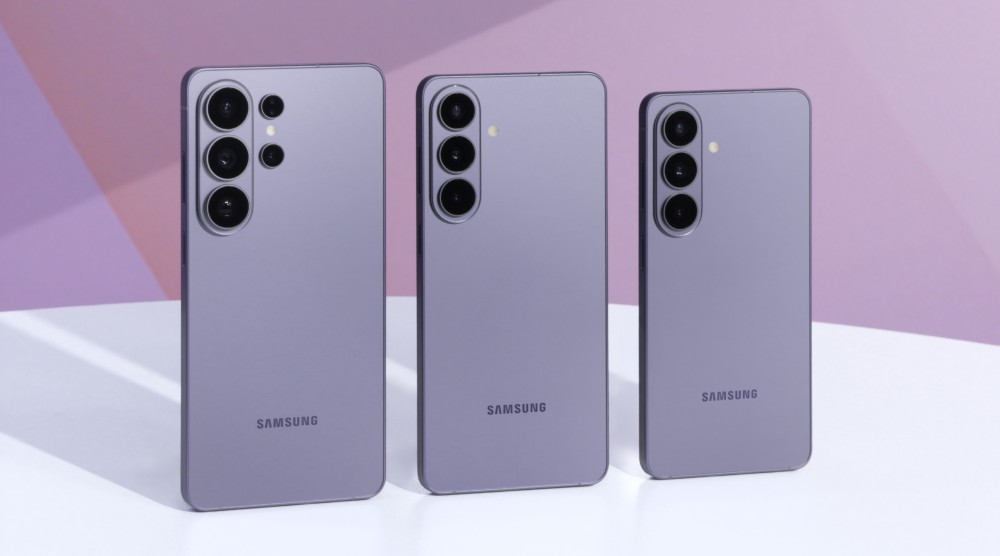
Nexoratech Score
out of 10
Samsung unveiled the Galaxy S26 series at Galaxy Unpacked on February 25, 2026, in San Francisco, with the S26 Ultra going up for preorder that same day and shipping March 11. It's the third phone generation built around Samsung's Galaxy AI platform, and the changes this year lean less on flashy new gimmicks and more on refining the camera and display hardware that actually gets used every day.
Design
The S26 Ultra is 0.3mm thinner than its predecessor and weighs 214 grams, a small but noticeable difference when you're holding a phone with this much camera hardware packed into it. Samsung is offering it in Cobalt Violet, Black, Sky Blue, and White, keeping the familiar flat-edged Ultra design language with a rounded curvature refinement across the lineup.
The headline design addition is Privacy Display, a screen mode that limits how much can be seen from a side angle without needing a separate physical screen protector. It can be assigned to a double-press of the side button, so switching it on when you sit down on a train or in an open office is a one-handed gesture rather than a trip through settings.
Camera
The rear camera system is built around a 200-megapixel wide-angle main sensor with a wider aperture than last year's model, aimed squarely at improving low-light performance rather than chasing more megapixels. The telephoto moves to a 50MP sensor with 5x true optical zoom and what Samsung calls 10x optical-quality zoom through in-sensor cropping and processing.
Samsung has also extended its AI image signal processor to the front camera for the first time, and paired it with an updated Nightography mode for after-dark shooting. On the software side, Photo Assist adds AI-driven object removal and object insertion, while Creative Studio generates text-to-image stickers directly on-device.
Galaxy AI
The AI feature set is the most crowded it's ever been on a Galaxy phone. Now Nudge surfaces context-aware suggestions based on what you're doing, Circle to Search expands to handle multi-element searches rather than a single circled object, and Samsung has wired in three separate assistants — its own Bixby, Google's Gemini, and Perplexity — rather than picking one. Whether that's a genuine convenience or just more menus to dig through will depend a lot on how much AI assistance you actually want baked into a phone.
Price and verdict
US pricing starts at $1,299 for 256GB, $1,499 for 512GB, and $1,799 for the 1TB model — in line with where the Ultra line has sat for the past couple of generations. Samsung didn't detail battery capacity or charging speeds in its initial announcement, which is a notable gap for a phone this expensive, and we'll update this review once those specifics are confirmed.
On the specs Samsung has confirmed, the S26 Ultra reads as an incremental but genuinely useful upgrade: a camera system built around real low-light improvements rather than headline megapixel counts, and a display feature — Privacy Display — that solves an everyday annoyance rather than a hypothetical one.
Pros
- 200MP main camera now pairs with a wider aperture for genuinely better low light
- 50MP telephoto pushes to 5x optical, 10x optical-quality zoom
- New Privacy Display can be toggled with a double-press of the side button
- 0.3mm thinner and lighter than the S25 Ultra despite the bigger camera hardware
Cons
- Samsung still hasn't published battery capacity or charging wattage at launch
- Third-party AI integrations (Gemini, Perplexity) add complexity to an already crowded AI menu
- Starting price climbs to $1,299, with the 1TB model at $1,799
Sources
Related Stories
 Photo: MMOEXP
MMOEXP Review: Is This Game Currency and Boosting Marketplace Worth It?
MMOEXP covers EA Sports FC 27, Diablo 4, Path of Exile 2, World of Warcraft, and dozens more with gold, items, accounts, and boosting. Here's what it actually sells, how fast delivery is, and the terms-of-service risk worth understanding first.
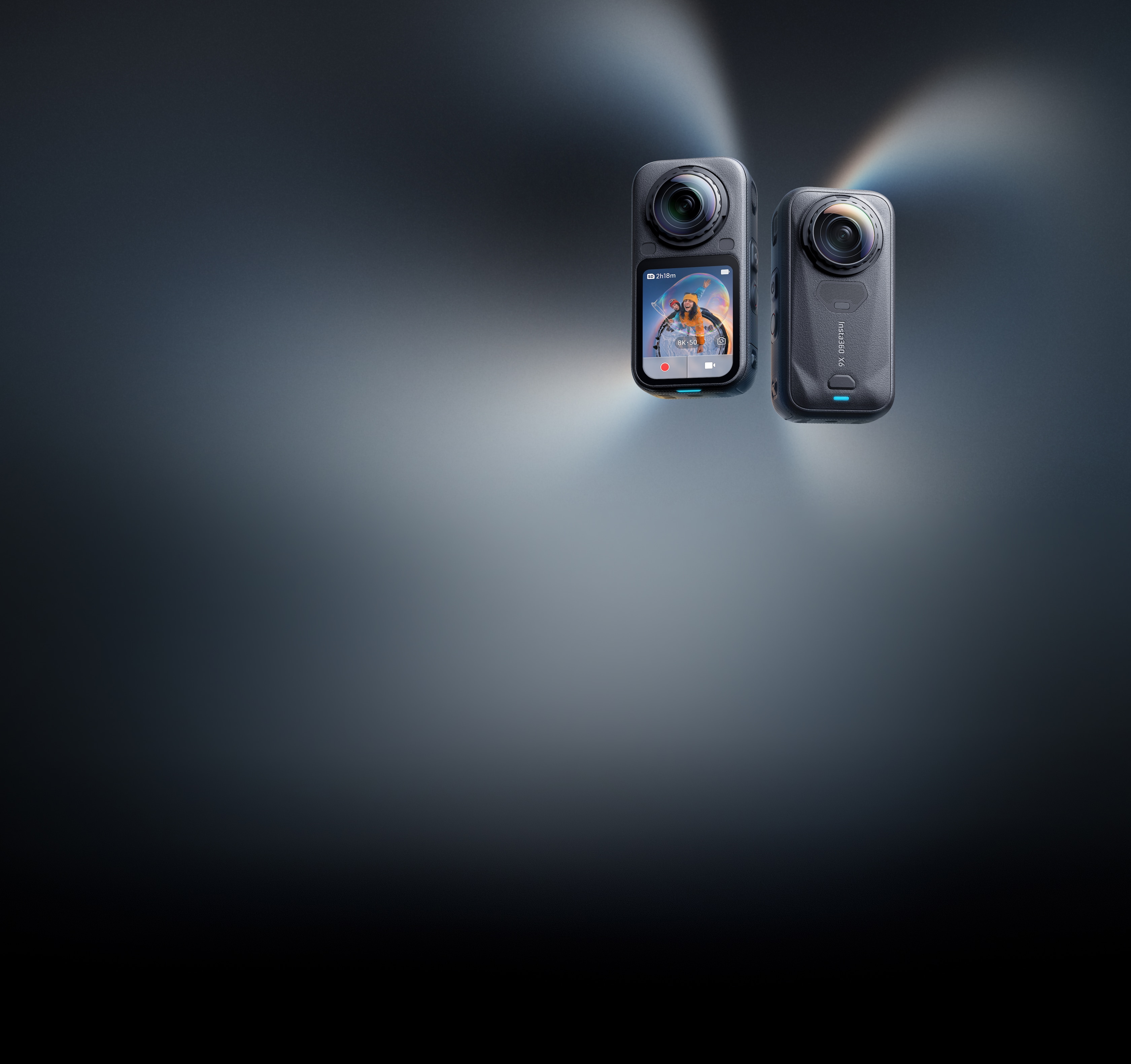 Photo: Insta360
Insta360 X6 Review: The Sharpest 360 Camera Yet, at a Steep $699 Price
The Insta360 X6 brings dual 1/1.1-inch sensors, 8K50fps 360 video, and a triple AI chip that edits your footage for you. We break down the specs, the image quality, and whether it's worth $699.99.
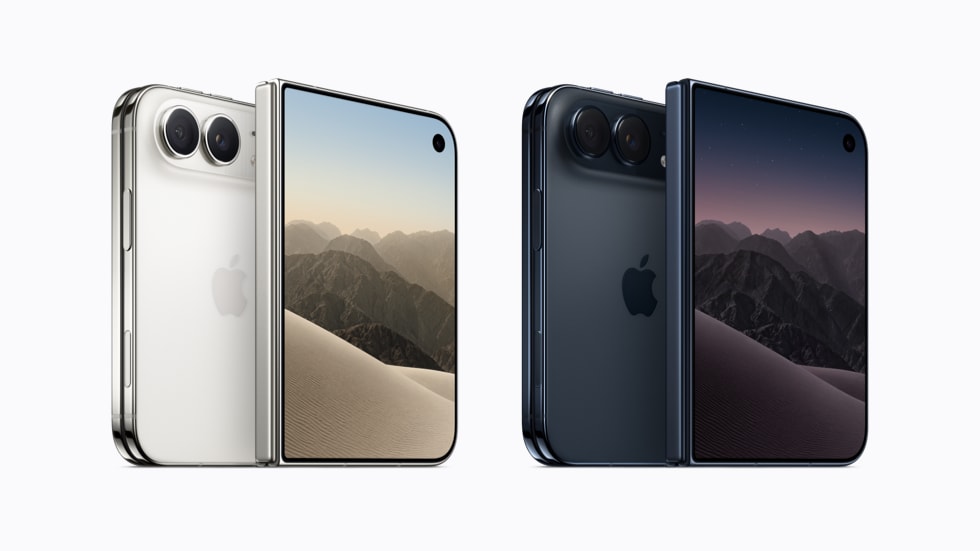 Photo: Apple Newsroom
iPhone Duo Review: Apple's First Foldable iPhone Arrives at $1,999
The iPhone Duo is Apple's first foldable iPhone, with a 7.6-inch inner display, an A20 Pro chip, a dual battery system, and a $1,999 starting price. Pre-orders open October 16, with shipping starting October 23.