
Roborock Saros 20 Sonic Review: Flagship Navigation Meets a Genuinely Useful Dock
The Saros 20 Sonic pairs Roborock's slimmest-ever chassis with a redesigned RockDock that washes its own mop pad in 212°F water. We look at whether the $1,499 flagship robot vacuum earns its price.
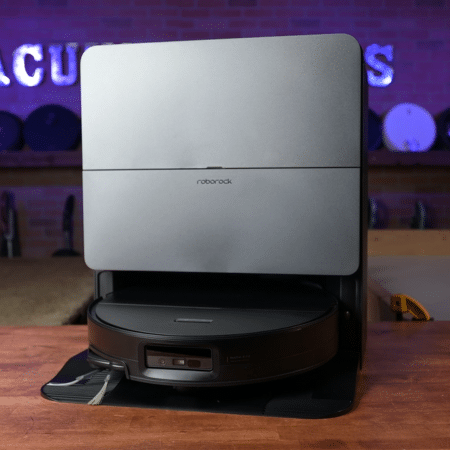 Photo: Vacuum Wars
Nexoratech Score
out of 10
Roborock's Saros line has always been about chasing the hardest problem in robot vacuums: getting past thresholds and low furniture without giving up suction or mopping quality. The Saros 20 Sonic is the current flagship result of that chase, and it pairs a genuinely clever chassis with a dock that does more of the gross cleanup work than any previous Roborock station.
Climbing thresholds most robots can't

The AdaptiLift Chassis 3.0 physically raises the robot's front end to clear obstacles up to 3.46 inches tall, nearly double what most flagship robot vacuums manage. In testing, that meant it stopped getting stuck on a raised bathroom threshold and a rug edge that had trapped a previous-generation robot vacuum for months — a small thing that turns out to matter a lot for whole-home coverage.
The retractable LiDAR turret drops the whole body down to 3.13 inches when it needs to duck under a low console or bed frame, then pops back up for open-floor navigation. Reactive AI 3.0 handled cables, a shoe left in a doorway, and simulated pet waste without a dedicated mapping pass, steering around each rather than plowing through or getting stuck.
Suction, sonic mopping, and obstacle avoidance
36,000 Pa of suction is enough for pet hair and ground-in debris on both hardwood and carpet, and the sonic mop pad — vibrating at 4,000 movements per minute with 14 Newtons of downward pressure — noticeably outperformed the passive spinning-pad mopping on dried, sticky spills like juice residue on tile.
The RockDock: hot water, warm air, auto-refill

The redesigned RockDock washes the mop pad in 212°F water after every run, dries it with 131°F warm air so it doesn't sit damp and musty, auto-empties the 228mL dustbin, and tops itself up with detergent and clean water on its own. In practice, that means going roughly two to three weeks between any manual dock maintenance — the main chore left is refilling the clean-water tank and emptying the wastewater tank periodically.
The dock itself isn't small, and it needs a clear stretch of wall with room for its water lines, so it's worth measuring the intended spot before buying rather than assuming it'll fit where a smaller charging-only dock used to sit.
Verdict
The Saros 20 Sonic earns its flagship badge on the two things that actually differentiate robot vacuums at this point: it gets to more of the floor than lower-tier models thanks to the lifting chassis and retractable LiDAR, and the RockDock genuinely cuts down on hands-on maintenance rather than just adding another indicator light.
$1,499.99 is a serious amount of money for a vacuum, and this isn't a purchase to make on a whim. But for a home with thresholds, rugs, and low furniture that have defeated previous robot vacuums, it's one of the few models that actually solves that problem rather than working around it.
Pros
- AdaptiLift Chassis 3.0 clears thresholds up to 3.46 inches, letting it cross saddles and rugs that stop most robot vacuums
- 36,000 Pa suction paired with a 4,000-movements-per-minute sonic mop pad handles both crumbs and dried spills
- Retractable LiDAR drops the body to 3.13 inches so it can duck under low furniture
- RockDock washes the mop pad in 212°F water, dries it with 131°F warm air, and empties the dustbin automatically
- Reactive AI 3.0 recognizes and steers around cables, pet waste, and shoes without a separate mapping run
Cons
- At $1,499.99, it sits at the very top of the robot vacuum market
- The dock is large and needs a clear wall-adjacent spot with room for its water and detergent lines
- 228mL dustbin is modest for the price tier, meaning more frequent auto-empty cycles in bigger homes
Related Stories
 Photo: MMOEXP
MMOEXP Review: Is This Game Currency and Boosting Marketplace Worth It?
MMOEXP covers EA Sports FC 27, Diablo 4, Path of Exile 2, World of Warcraft, and dozens more with gold, items, accounts, and boosting. Here's what it actually sells, how fast delivery is, and the terms-of-service risk worth understanding first.
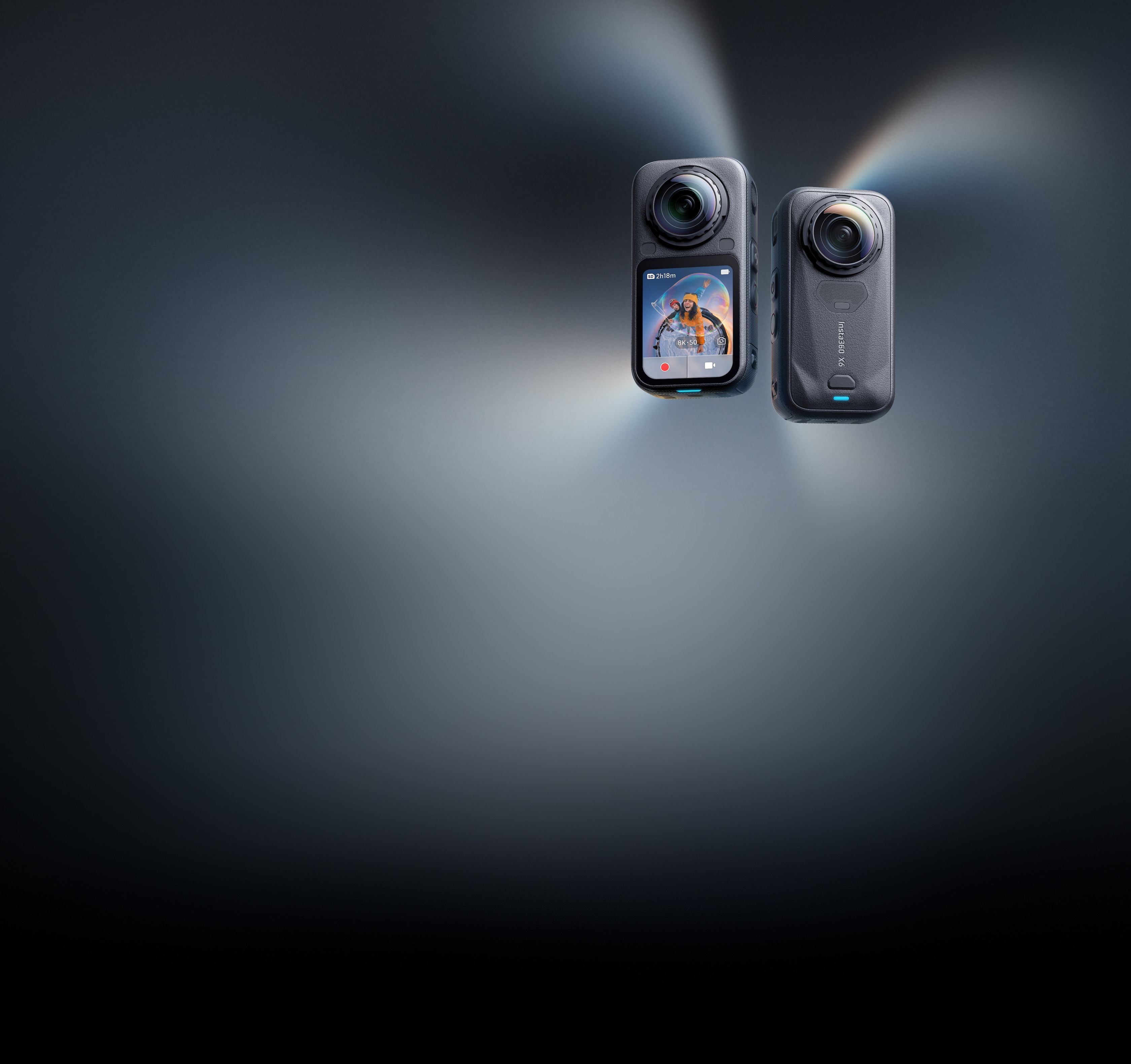 Photo: Insta360
Insta360 X6 Review: The Sharpest 360 Camera Yet, at a Steep $699 Price
The Insta360 X6 brings dual 1/1.1-inch sensors, 8K50fps 360 video, and a triple AI chip that edits your footage for you. We break down the specs, the image quality, and whether it's worth $699.99.
 Photo: Apple Newsroom
iPhone Duo Review: Apple's First Foldable iPhone Arrives at $1,999
The iPhone Duo is Apple's first foldable iPhone, with a 7.6-inch inner display, an A20 Pro chip, a dual battery system, and a $1,999 starting price. Pre-orders open October 16, with shipping starting October 23.